Moab
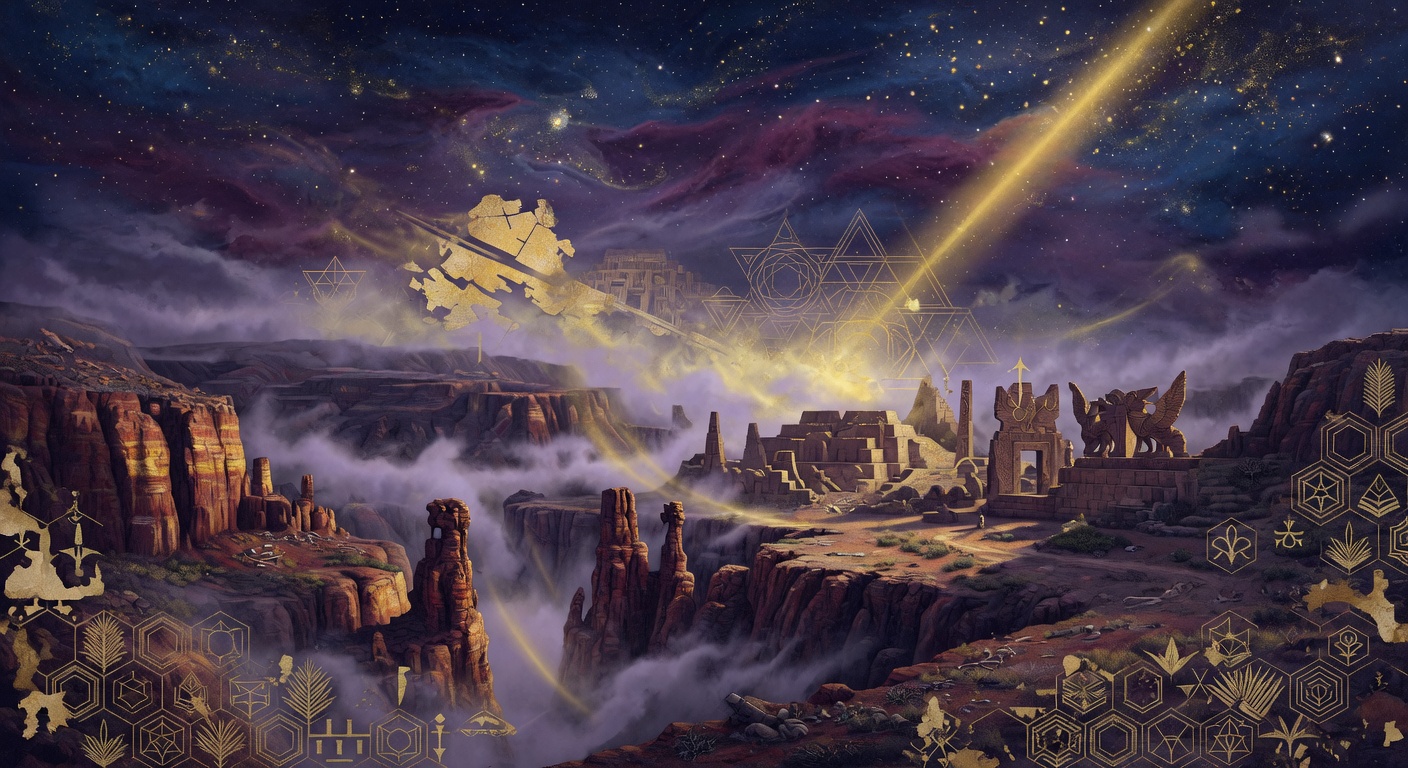
Moab is the territory east of the Dead Sea occupied by the descendants of Lot - a nation that repeatedly interacts with Israel as both neighbor and adversary throughout the Exodus narratives. In Jasher, Moab appears as part of Esau's coalition against Jacob and later as a territory Israel must navigate during the wilderness journey. The Moabites are genealogically connected to Abraham through Lot, creating a complex relationship of kinship and hostility that runs through the tradition. Within the broader geographical and theological framework of these three ancient texts, Moab serves as more than a mere physical location - it functions as a site where divine purpose intersects with human history. The pseudepigraphal traditions preserved in Enoch, Jubilees, and Jasher provide perspectives on this place that illuminate its spiritual significance beyond what other ancient sources record. Each visit, encounter, or event that occurs here contributes to the larger pattern of covenant geography that these texts trace from the primordial garden through the patriarchal wanderings to the settlement of the promised land.
Details
- Region
- Earth
Key Chapters
Key Passages
Moab in the wilderness
The Book of Jasher 84:1-10
At that time Korah the son of Jetzer the son of Kehath the son of Levi, took many men of the children of Israel, and the...
 1t that time Korah the son of Jetzer the son of Kehath the son of Levi, took many men of the children of Israel, and they rose up and quarreled with Moses and Aaron and the whole congregation.
Did You Know?
Moab descends from Lot's incestuous relationship with his daughter after Sodom's destruction.
The Moabites are genealogical cousins of Israel through Abraham's nephew.
Israel is specifically commanded NOT to wage war against Moab during the wilderness journey.
Moabite women later seduce Israelite men at Balaam's counsel.
Ruth the Moabitess eventually enters the Israelite lineage.